Environmental Review Group
Overview
The impact assessment process involves conducting detailed analyses of the potential impacts of Canada’s plan. The results of these analyses are used in the design of the project, including measures that will be implemented to mitigate or offset potential negative effects.
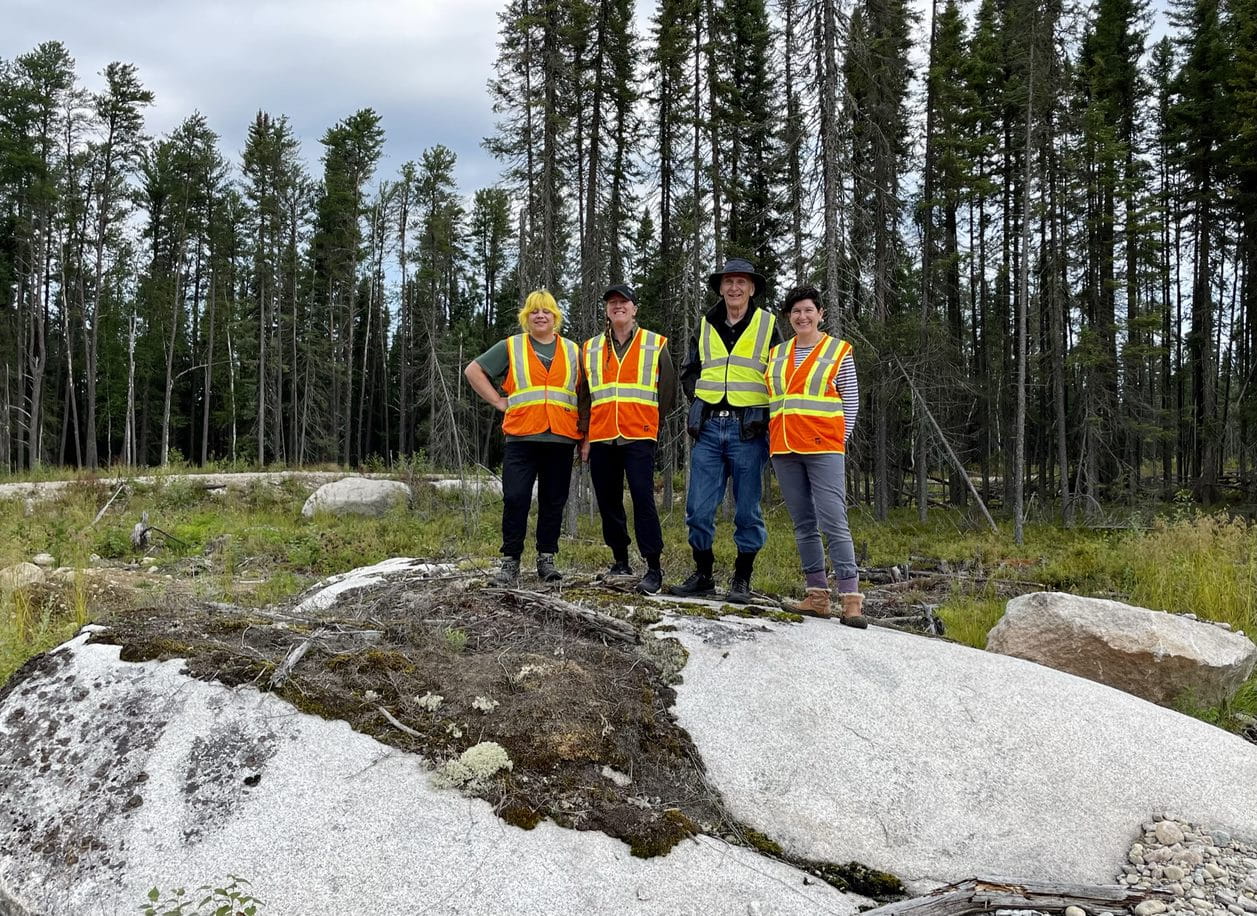
The Environmental Review Group advises the NWMO on developing an effective impact assessment process, including engagement and the interweaving of Indigenous Knowledge and western science, as well as international best practices.
The group meets quarterly (once per year in person) to discuss strategic issues related to assessing the potential impacts of Canada’s plan on the natural environment.
Members of the ERG
Dr. Suzanne Livingstone
Dr. Suzanne Livingstone has 25 years’ experience in global biodiversity conservation and has been working in the field of biodiversity and business since 2011. She has extensive experience working internationally with large development projects (particularly mining and renewables) in both terrestrial and marine environments.
Dr. Livingstone specialises in ecological and environmental impact assessment, specifically to understand and manage biodiversity risk. Her expertise includes navigating Performance Standard 6 of the International Finance Corporation and other international best practice standards. She has considerable practical experience in biodiversity risk profiling, critical habitat assessment, strategic baseline survey design and management, biodiversity action plans, offset design, strategy, feasibility assessment and implementation planning, as well as monitoring plans. She also has experience working directly with lenders on environmental and social due diligence. Dr. Livingstone is skilled at technical delivery and project management of the biodiversity-related risks and opportunities of large infrastructure projects, providing strategic advice and guidance to clients.
Dr. Livingstone has previously worked for the International Union for Conservation of Nature’s Red List Unit and several international NGOs, including Conservation International and the World Wildlife Fund. In these roles, she developed conservation programs on the ground in the Caribbean and Africa, resolving conflicting demands of diverse stakeholder groups. She has marine and terrestrial expertise, specialising in marine turtles.
Dr. Bill Ross
Dr. Bill Ross is a professor emeritus of environmental design at the University of Calgary. His scholarly expertise is in the professional practice of impact assessment. He has been teaching impact assessment since 1973 and has served on eight Canadian environmental assessment panels from 1978 to 2015. Dr. Ross has taught impact assessment training courses around the world, has many papers and professional publications and has received awards, including the Lifetime Achievement Award from the International Association for Impact Assessment. From 1997 to 2015, he worked for the Independent Environmental Monitoring Agency, an independent watchdog for good environmental management at the Ekati Diamond Mine in northern Canada. In 2019, Dr. Ross was appointed to the Technical Advisory Committee on Science and Knowledge of the Impact Assessment Agency of Canada. In 2022, he was appointed to the Tŝilhqot'in Nation’s External Advisory Committee for their Impact Assessment Framework project.
Tammy Tremblay
Tammy Tremblay (Monedo Giizhigo Kwe) is a member of Sagamok Anishnawbek First Nation and part of the Marten (waabzeshi) Clan (doodem). Ms. Tremblay is the founder and operator of MG KWE Consulting, an independent consultant that provides expertise on building healthy relationships with Indigenous Peoples and the land.
Ms. Tremblay brings over 10 years of experience with First Nations environmental and natural resource management in the Robinson Huron Treaty and Treaty 9 territories. She has extensive boots-on-the-ground experience and strives towards balancing Traditional Knowledge and western science. Ms. Tremblay is a strong believer in collaboration through all forms of communication, which is needed to build healthy relationships among First Nations, organizations, government and industry. She values the “three R principle” (respect, reciprocity and responsibility) and believes this principle should be applied to all projects and initiatives.
Download:
- Annual Report (2024) of the Adaptive Phased Management Environment Review Group
- Annual Report (2023) of the Adaptive Phased Management Environment Review Group
- Annual Report (2022) of the Adaptive Phased Management Environment Review Group
- Annual Report (2021) of the Adaptive Phased Management Environment Review Group
- Annual Report (2020) of the Adaptive Phased Management Environment Review Group
- Annual Report (2019) of the Adaptive Phased Management Environment Review Group

