Reconciliation
We are committed to co-creating a shared future built on rights, equity and well-being for Indigenous peoples.
The NWMO is on a continuous learning pathway towards Reconciliation. As part of our commitment to Reconciliation, we recognize both the historic and current injustices Indigenous communities have endured. We continue to learn as an organization remaining involved in collaboration and discussion with Indigenous communities on the work of Reconciliation.
We know that working with Indigenous peoples, learning from Indigenous Knowledge and applying learnings to our work are critical to successfully implementing Canada's plan for the long-term management of used nuclear fuel.


The NWMO is on a continuous learning pathway towards Reconciliation. As part of our commitment to Reconciliation, we recognize both the historic and current injustices Indigenous communities have endured. We continue to learn as an organization remaining involved in collaboration and discussion with Indigenous communities on the work of Reconciliation.
We know that working with Indigenous peoples, learning from Indigenous Knowledge and applying learnings to our work are critical to successfully implementing Canada's plan for the long-term management of used nuclear fuel.
Land acknowledgement
The NWMO acknowledges that we have worked in many different Indigenous territories since the inception of the organization. We are grateful to the Indigenous communities we have worked with over the years.
We also acknowledge that today we are working in the territory of Wabigoon Lake Ojibway Nation and in other Indigenous communities.
We further acknowledge that we have the privilege of working with other First Nations and Indigenous organizations and communities, including the Métis who expressed an interest in learning about our work.
As part of our commitment to Reconciliation, we recognize both the historic and current injustices and harms that far too many Indigenous communities have endured and continue to endure. We commit to doing our part to support well-being in the Indigenous communities with which we work.
Our Reconciliation journey
Reconciliation report
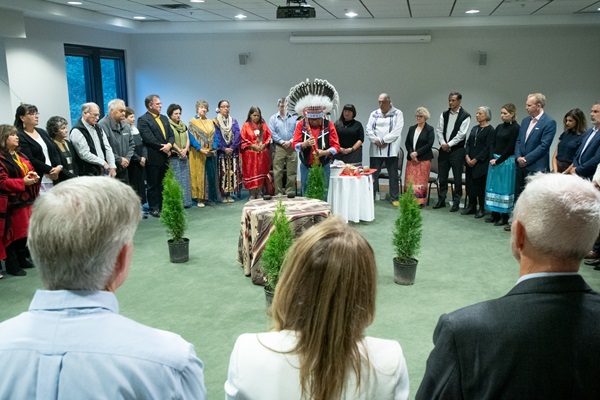
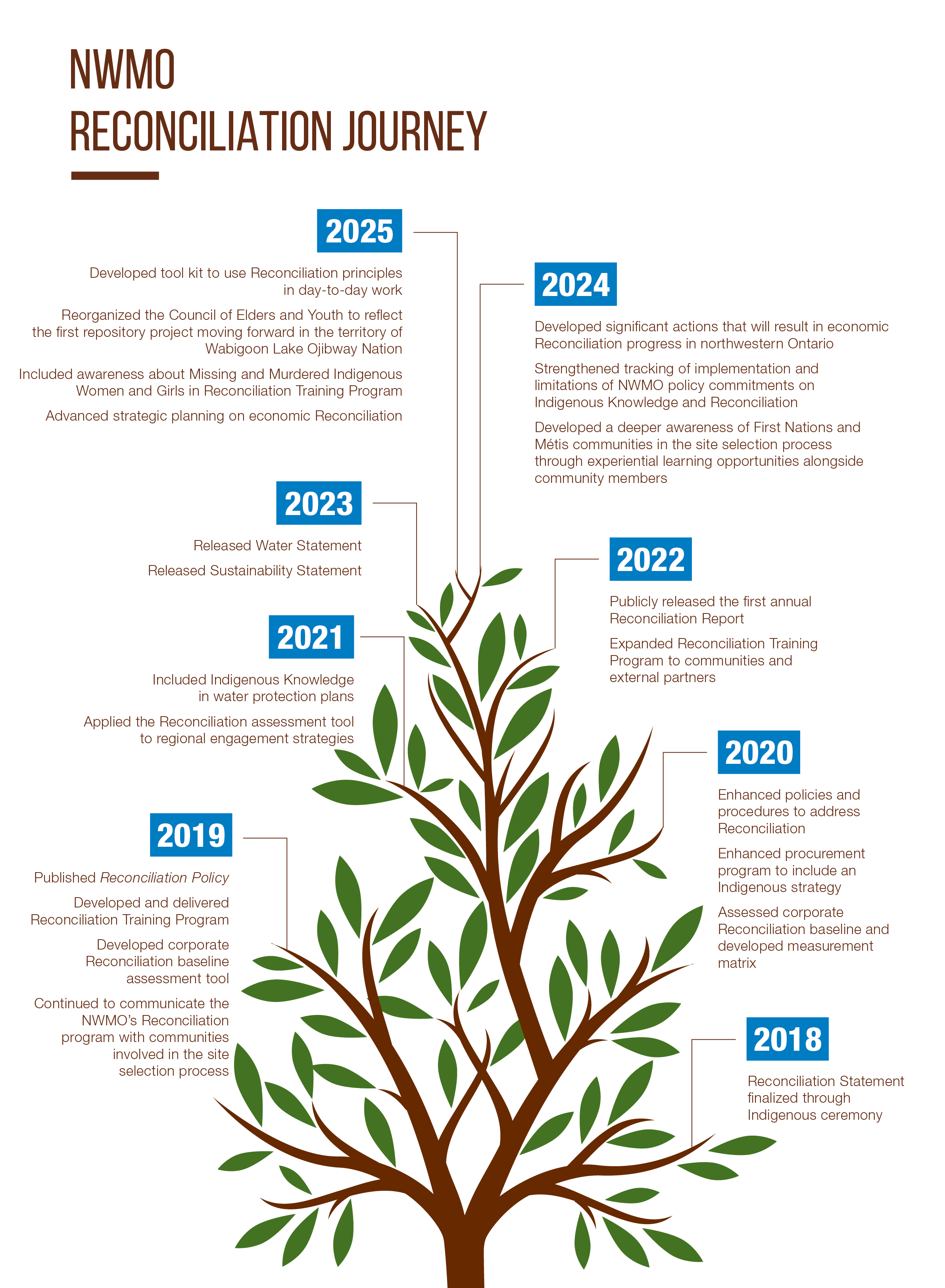
In 2022, we reached an important milestone in our journey towards Reconciliation when we published our first Reconciliation report, an evaluation of our Reconciliation Policy's impacts since its formalization in 2019. Activities we tracked included mandatory staff Reconciliation training and continuous learning opportunities, informal training opportunities, staff support systems and community-driven work plans.
As part of our continuously evolving Reconciliation journey, we also published a report on our activities in 2022 and 2023. In 2025, we published a 360° evaluation outlining our successes and challenges in implementing the Reconciliation Policy from 2019 to 2024.
Reconciliation Policy
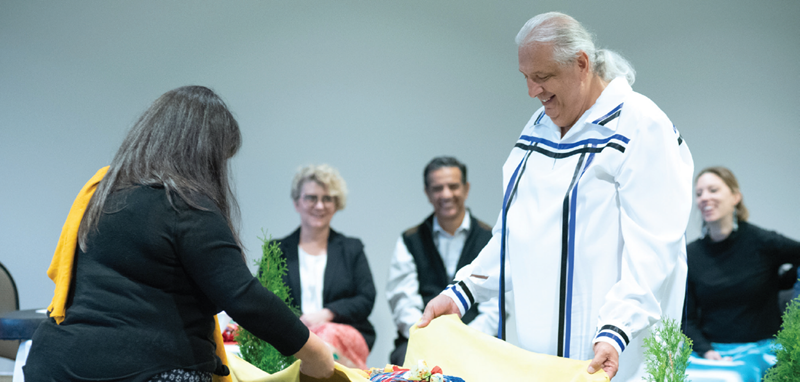
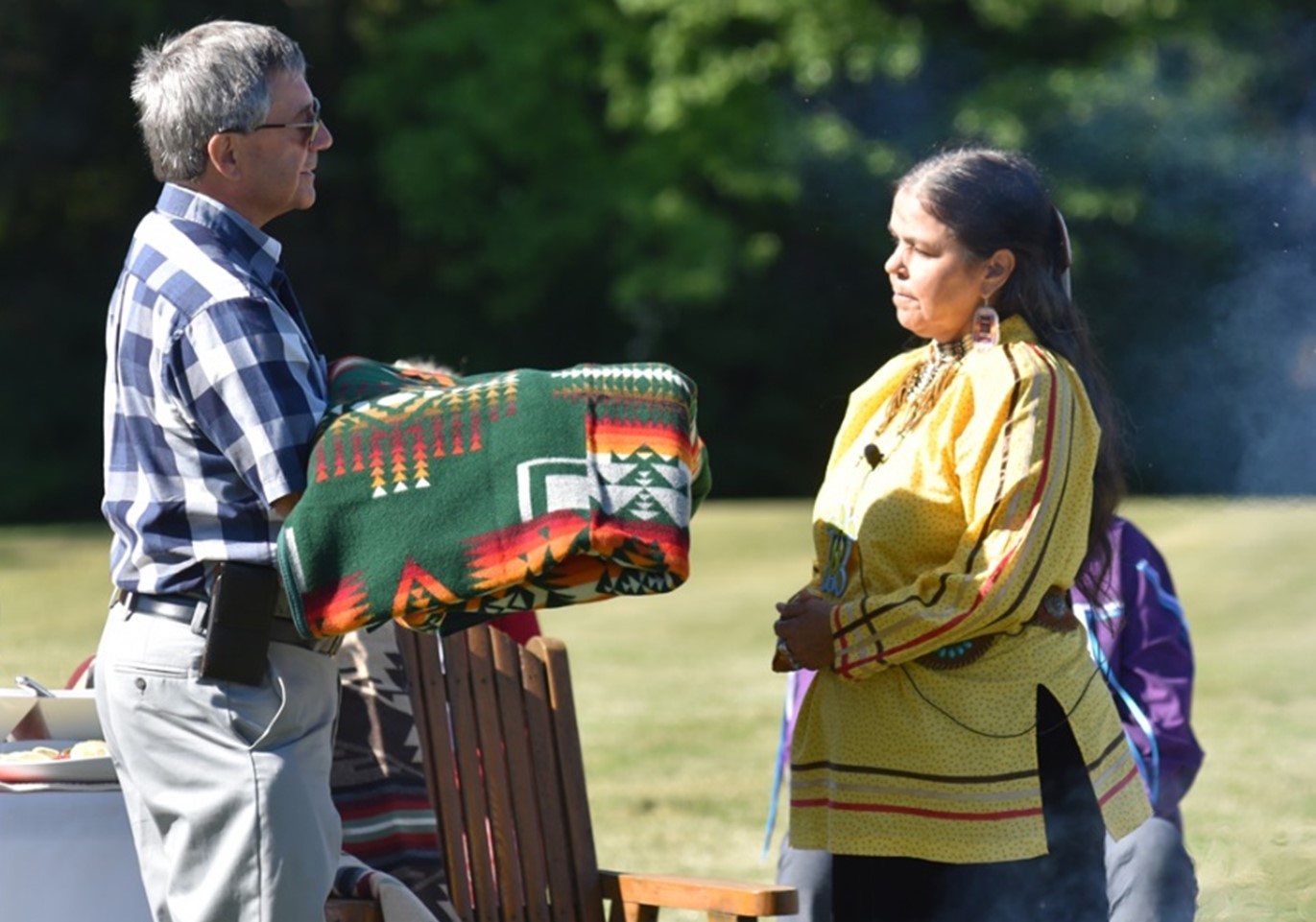
On Oct. 17, 2019, through ceremony, the NWMO issued a Reconciliation Policy that sets out how the organization will contribute to Reconciliation. Under the policy, the NWMO commits to respectful and meaningful engagement with Indigenous peoples and communities, providing cultural awareness and Reconciliation training to staff and contractors, and annually publishing a Reconciliation implementation plan.
Reconciliation Statement
On July 18, 2018, the NWMO issued a Reconciliation Statement which reads as follows:
In the context of Reconciliation, the Nuclear Waste Management Organization (NWMO) recognizes historical wrongs in Canada’s past and the need to create a better future by addressing the challenges of today. The NWMO Council of Elders and Youth speaks of this journey as a new era for humanity — a time of Reconciliation with First Nation, Métis and Inuit peoples.
The NWMO is committed to contribute to Reconciliation in all its work by co-creating a shared future built on rights, equity and well-being. In addition, the NWMO will establish a Reconciliation Policy with an implementation strategy that will be measured annually and publicly reported to contribute to the Truth and Reconciliation Commission’s calls to action.
Aligning with Indigenous Knowledge