
Multiple-barrier system
Overview
Each barrier acts as part of the system, but also provides a unique and stand-alone level of protection. If any of the barriers deteriorates, the next one comes into play.

Watch now
Explore the multiple-barrier system
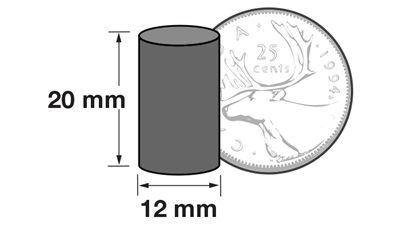
Barrier 1: The nuclear fuel pellet
The first barrier in the multiple-barrier system is the fuel pellet. Fuel pellets are made from uranium dioxide powder, a ceramic material, which is baked in a furnace to produce a hard, high-density pellet. Ceramics are extremely durable: they do not readily dissolve in water, and their resistance to wear and high temperatures make them one of the most durable engineered materials.
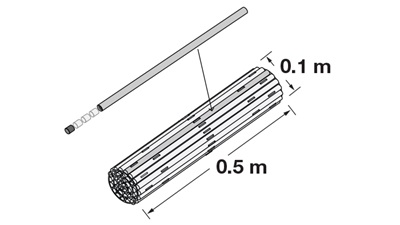
Barrier 2: The fuel element and the fuel bundle
Each fuel bundle is composed of a number of sealed tubes called fuel elements. Fuel elements contain the fuel pellets and are made of a strong, corrosion-resistant metal called Zircaloy. The function of each element is to contain and isolate the fuel pellets.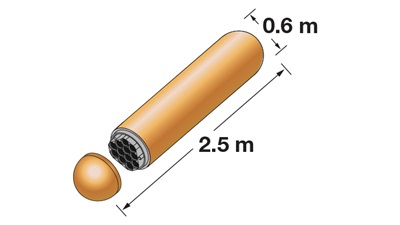
Barrier 3: The used nuclear fuel container
Used nuclear fuel bundles will be placed into large, very durable containers. In 2014, we refined our container design to one that is optimized for the used CANDU fuel produced by Canadian nuclear power reactors. Together with the bentonite clay buffer box (Barrier 4), the container is a key part of the engineered-barrier system.
The container prevents any water near the container from reaching the fuel and radionuclides. It is engineered to remain intact and keep the used nuclear fuel completely isolated until the fuel’s radioactivity has decreased to the level of natural uranium.
Each used nuclear fuel container holds 48 bundles loaded into 12 carbon steel channels or tubes, known as the container insert. The carbon steel container body has the mechanical strength to withstand pressure from the overlying rock as well as additional loading from three-kilometre-thick glaciers that may form during a future ice age. The carbon steel container head, which is welded to the container body, is spherical so that it will withstand these pressures as well.
The container is coated with copper to prevent corrosion. The copper coating and welding technologies used for this container design are based on proven technologies that are readily available in Canada. The used nuclear fuel container and supporting components will be manufactured at a container plant which could potentially be located in the host community or surrounding region, depending on interest.
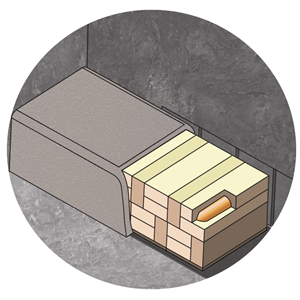
Barrier 4: Bentonite clay
During placement in the repository, each used nuclear fuel container will be encased in a highly compacted bentonite clay buffer box. Bentonite clay is a natural material proven to be a powerful barrier to water flow. It swells when exposed to water, making it an excellent sealing material.
Bentonite is also very stable, as seen in natural formations formed millions to hundreds of millions of years ago. The chemical properties of the bentonite clay, backfill and sealants would help to isolate any radionuclides in the unlikely event that they were to escape from the container. Each buffer box will be placed and separated from the next with bentonite clay spacer blocks. Containers will be stacked in two layers.
After the used nuclear fuel containers are placed in the repository, all open spaces in each underground chamber will also be filled with bentonite clay.
Each placement room will be sealed at the entrance using a combination of highly compacted bentonite clay and a concrete bulkhead.
Before the repository is closed, tunnels and shafts will be filled with similar backfill and sealants, isolating the repository from the environment. The performance of the repository will be monitored during placement operations and during an extended post-closure period.
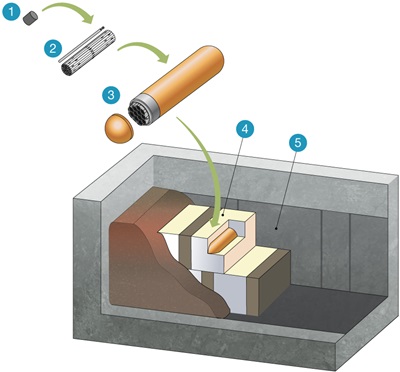
Barrier 5: The geosphere
The geosphere forms a natural barrier of rock that will protect the repository from disruptive natural events, water flow and human intrusion.
The repository will be more than 500 metres underground; the exact depth will depend on the characteristics of the host rock formation. It will be excavated within a crystalline rock formation that meets the safety and technical requirements of the project. The crystalline rock formation will have low permeability, which means there will be little groundwater movement.
This natural barrier will ensure the repository safely contains and isolates the used nuclear fuel, even in extreme scenarios.
Full-scale emplacement trial
Watch now
Related documents

Ensuring safety: Multiple-barrier system
Within the deep geological repository, a series of engineered and natural barriers will work together to safely contain and isolate used nuclear fuel from people and the environment.
Ensuring safety: Multiple-barrier system
Within the deep geological repository, a series of engineered and natural barriers will work together to safely contain and isolate used nuclear fuel from people and the environment.
Related FAQs
View all FAQsAre the storage containers for used nuclear fuel tested to ensure they will not leak?
Yes. The storage containers that will be placed in the deep geological repository for used nuclear fuel are part of a series of engineered and natural barriers that will work together to contain and isolate the used fuel.
The containers are made of thick, solid steel and welded shut. The steel has the mechanical strength to withstand the pressures of the overlying rock and even future glaciations. The outermost layer of the container consists of corrosion-resistant copper coating.
Before being buried, the containers will undergo non-destructive examination using ultrasonic high-frequency sound waves that can characterize thickness and internal structure. They will also be tested to ensure there are no flaws in the weld or copper coating.
Can radiation leak from the underground repository?
The deep geological repository for used nuclear fuel cannot proceed without meeting strict requirements in order to ensure that radiation does not leak from the repository and that people and the environment are protected.
A multiple-barrier system of engineered and natural barriers will ensure the ongoing safety of the public and workers over the long term. These barriers include:
- the nuclear fuel pellet
- the fuel element and fuel bundle
- the used nuclear fuel container
- bentonite clay
- the geosphere (the host rock for the repository)
Each of these barriers will provide an independent layer of protection, so that if the performance of one degrades or is compromised, the other barriers will still contain and isolate the used nuclear fuel.
The regulatory reviewof the repository will require a number of safety assessments that will look at a wide range of scenarios. For example, “disruptive scenarios” will be conducted to test a range of hypothetical circumstances such as the impact of container failure after 10,000 or 60,000 years, or the failure of the seals within the repository shafts. The NWMO must demonstrate that even in these scenarios, people and the environment will be protected.
The safety case for the project must demonstrate with confidence that it will meet the stringent requirements of the regulatory authorities.
Will heat buildup in the repository create faults in the surrounding rock?
No. Some heat will be generated by radioactive decay; however, before being transported to the deep geological repository, the used nuclear fuel bundles will have cooled for decades in interim storage where the fuel was used.
In addition, the repository design and safety case will be developed to ensure temperatures generated will not influence the ability of the multiple-barrier system or the surrounding rock to contain and isolate the used nuclear fuel.
The repository layout and container spacing will prevent temperatures from going above 100 C on the container surface. The containers of used nuclear fuel will reach their highest temperatures less than 100 years after being placed in the repository. Temperatures will then gradually decrease to levels near those existing before repository construction.
The design of the repository will ensure this heat does not lead to faulting or create release pathways for radiation through the surrounding rock. Monitoring will ensure the facility is performing safely as designed.
Is there enough bentonite clay to meet the needs of the deep geological repository?
Yes, there is enough bentonite clay available to meet the needs of the deep geological repository for used nuclear fuel, as well as other used fuel repositories being planned around the world.
Bentonite clay will be one of the barriers within the deep geological repository that contains and isolates the used nuclear fuel from people and the environment for the long term. It is a natural material that swells when exposed to water, making it an excellent sealing material. It is also very stable, as seen in natural formations formed millions to hundreds of millions of years ago. The disposal containers will be placed in bentonite clay as an additional seal, and bentonite clay will also be used to seal access tunnels, shafts and boreholes.
The amount of bentonite clay that will be used is about 40,000 tons per year over the 50-year operating life of the repository.
Bentonite clay is formed from volcanic ash, and there are various suitable deposits around the world. Estimates for the worldwide production of bentonite clay have ranged from 15,000,000 to 21,000,000 tons per year in recent years. It is estimated that Canada’s deep geological repository will consume one to two per cent of the annual capacity in North America. Worldwide, deep geological repositories that are planned or expected will only consume about five to six per cent of the global bentonite clay supply.


